Hannes Heide
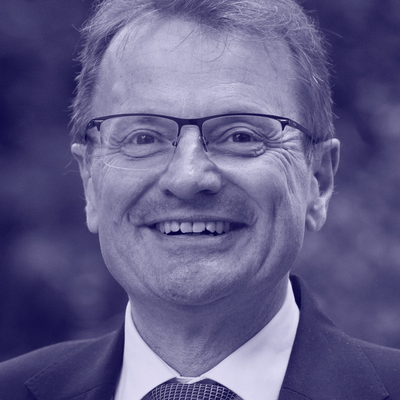
Hannes Heide, Member of the European Parliament
When we speak about Europe’s future, we often begin with security, competitiveness or economic strength. Rarely do we begin with culture. And yet, it is culture that gives meaning to all of these ambitions.
Without culture, there is no shared identity. Without culture, there is no sense of belonging. And without that, no European project can truly endure.
We are currently facing a period of significant economic pressure. In such times, investment decisions become even more critical. It is therefore all the more important to focus on sectors with clear growth potential. The cultural and creative sectors employ around eight million people across Europe and generate approximately 200 billion euros in value added. They are not only part of our identity, but also a dynamic economic force. Even in challenging times, segments such as the music sector have shown strong growth, underlining their resilience and future potential.
At the same time, culture is a force that shapes societies, strengthens cohesion and contributes to Europe’s resilience. It creates spaces for dialogue, fosters mutual understanding and anchors democratic values in everyday life. In an increasingly polarised and fragmented environment, these functions are not complementary: they are essential.
This dual role, economic and societal, is still not sufficiently reflected in European policymaking.
Culture must not be confined to a single programme or policy field. It should be recognised as a horizontal priority, contributing to regional development, social cohesion and economic transformation. Cultural infrastructure, local venues and creative ecosystems play a crucial role in revitalising regions, attracting talent and strengthening local communities. Programmes supporting regional and territorial development must therefore fully acknowledge culture as a catalyst for sustainable growth and cohesion.
One of the most visible examples of this transformative potential is the European Capitals of Culture. Over the years, it has demonstrated how targeted cultural investment can revitalise cities and regions, strengthen civic participation and generate long-term economic and social benefits. These experiences show that culture is not only about preservation, but about renewal and future-oriented development.
In this context, European programmes dedicated to culture and education play a particularly important role. AgoraEU with Creative Europe is one of the European Union’s most effective instruments. With comparatively limited resources, the programme generates substantial impact, strengthens competitiveness, supports cultural participation and reinforces democratic values.
The development of a Cultural Compass for Europe marks an important step in this direction. By recognising culture as a strategic resource for democracy, competitiveness and resilience, it provides a framework to better integrate cultural considerations into broader policy agendas. It also highlights the need to improve working conditions for artists, strengthen freedom of expression and safeguard cultural diversity.
But the ambition alone will not be sufficient. For culture to fully play its structural role, political commitment must translate into concrete action. This means ensuring stable and predictable support, improving coordination across levels of governance and strengthening partnerships between public institutions, civil society and the cultural sector. It also requires recognising that investment in culture is not a cost, but a forward-looking choice that strengthens Europe’s capacity to respond to crises.
Europe does not hold together by institutions alone. It holds together through what people share, create and experience together.
If Europe is to remain united, democratic and resilient, then investing in culture is not a choice. It is a necessity!
